
The electronics industry is a constantly evolving field, driven by demand for ever smaller, more powerful and more precise devices. In this context, machining plays a crucial role, and Swiss-type lathes stand out as essential tools for manufacturing high-precision electronic components. In this article, we look at the importance of Swiss-type lathes in the electronics industry, highlighting specific examples of machined parts that drive innovation in this sector.
Swiss-type lathes and their versatility:
Swiss-type lathes are highly versatile machining machines that allow several sides of a part to be worked on simultaneously. This offers significant advantages in terms of efficiency and precision in the manufacture of electronic components.Key advantages of Swiss-type lathes in the electronics industry:
- High precision: The electronics industry is characterised by the need for extremely tight tolerances. Swiss-type lathes, such as Hanwha's models, can achieve microscopic levels of precision. This is essential for manufacturing high-quality electronic components that work reliably in thin, delicate devices.
- Production efficiency: The ability to machine several sides of a part at the same time is one of the most significant advantages of Swiss-type lathes. This not only speeds up production but also reduces cycle times. In the electronics industry, where mass production is common, this efficiency translates into greater productivity and profitability.
- Material versatility: Swiss-type lathes can work with a variety of materials, including metals, plastics and composites. This is essential in the electronics industry, where components can be made from different materials. Being able to machine different materials on the same machine saves set-up time and costs.
- Waste reduction: Machining precision not only guarantees component quality but also significantly reduces material waste. This is beneficial from both an environmental and an economic perspective, as less material is wasted in the manufacturing process.
- Automation and advanced programming: Many Swiss-type lathes, including Hanwha's, offer advanced automation and programming capabilities. This means that machining operations can be highly programmable and repeatable, reducing the likelihood of errors and improving production consistency.
- Ability to machine complex components: The electronics industry often requires components with complex shapes and features. Swiss-type lathes can machine these parts with ease, enabling the creation of customised components designed for specific applications.
Examples of machined parts in the electronics industry:
- High-precision connectors: electronic connectors, such as those used in cables, printed circuit boards and electronic devices, require extremely tight tolerances to ensure a reliable connection. Swiss-type lathes make it possible to machine the pins and sleeves of these connectors with microscopic precision.
- Battery terminals for portable devices: the miniaturisation of portable devices such as smartphones and IoT devices calls for compact yet precise battery terminals. Swiss-type lathes can machine these components with the necessary accuracy.
- Electronic watchmaking components: in the manufacture of electronic and precision watches, Swiss-type lathes are essential for producing small, delicate parts such as shafts, date wheels and movement components.
- Electronic device housings: electronic device housings, from phones to cameras, often contain machined features such as threads, mounting brackets and precise holes. Swiss-type lathes can create these parts quickly and precisely.
- High-precision medical device components: the medical industry demands high-precision components in devices such as surgical implants and diagnostic equipment. Swiss-type lathes are ideal for machining critical components in this field.
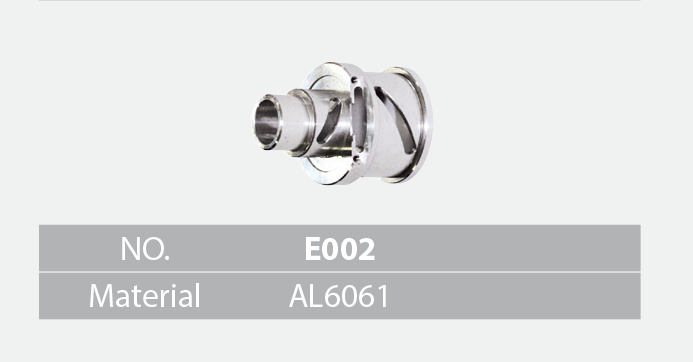
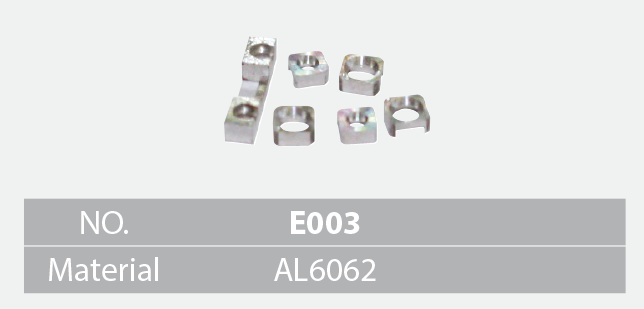
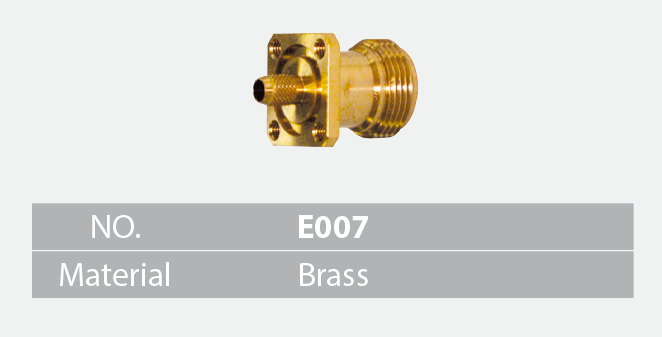
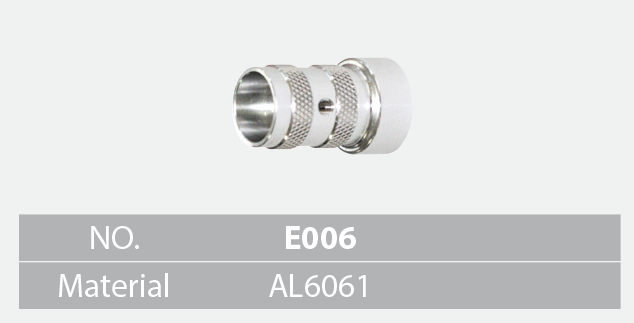
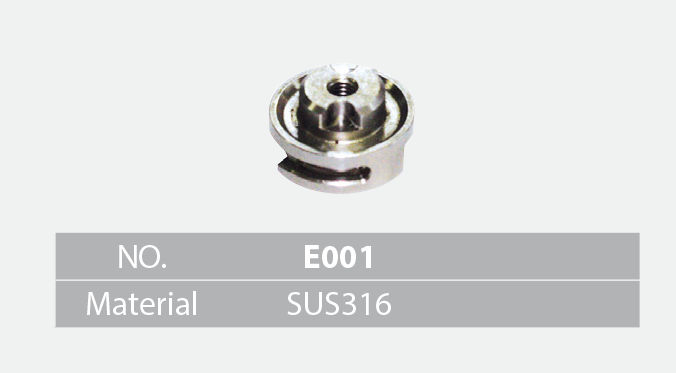
In the electronics industry, manufacturing high-precision components is essential for success in a highly competitive market. Swiss-type lathes play a fundamental role in machining critical parts with tight tolerances. The examples of parts mentioned in this article are just a sample of how these machines contribute to innovation in the electronics industry and enable the creation of more advanced and compact devices that meet the demands of the modern era.
Hanwha Swiss-type lathes offer different turning profiles for various diameters, from 10 mm to 42 mm. Below is an example of the CNC lathe XD38II.
https://www.youtube.com/watch?v=PnW359GKCnQ